How to Read Like a Writer—And Why All Authors Should
Table of Contents Show
What does it mean to read like a writer? This is a way of approaching the books you read, looking at them analytically and applying a critical lens. It might sound academic, but you won’t need an English degree to make use of this approach, which is not only one of the best ways to strengthen your writing, but it’s also 100 percent free. To start, we’ll address some myths that cause writers avoid reading, and then we’ll show you three ways to start reading like a writer: analyzing characters, examining techniques, and evaluating impact.
The Myth of Influence, Imitation, and Idea Theft
Many authors forgo reading while they’re creating out of fear that they’ll become less original by absorbing other creators’ ideas. Some are afraid they’ll unintentionally plagiarize anything they read while they’re writing. However, it’s obvious when a writer isn’t reading—it shows in the prose. Best-selling author Stephen King puts it best: “If you don’t have time to read, you don’t have the time or tools to write.” Reading teaches you written storytelling, and if you approach books with a critical eye, you’ll have endless classes on foreshadowing, characterization, and just about any other element of craft.
Storytelling is everywhere
The fact is, storytelling surrounds us, even if we’re not reading books. We take it in through television, movies, music, video games, ads, and, yes, even memes. With help of the screens we take almost everywhere, we absorb these forms of storytelling far more often than actual books.* This only emphasizes the need for writers to learn how to read critically, whether you’re “reading” a TV show or a song. Without careful decision-making in your creative process, these other modes of storytelling can become dominant in what you write, and these modes will not often support the novel you’re writing.
Approach Reading Like a Writer
When you write, you need a wide variety of tools and techniques at your disposal in order to reach a final draft that achieves your goal for the story. Reading closely is one of the best ways to discover these tools and techniques and see how they’re being used. There are many great resources on how to read analytically, but we’ll share three of the main ways you can start putting into practice today. For these exercises, you can begin by reading books you’re already familiar with. This way, you can focus on analysis without falling into reading the way you normally do—like a reader. Once you’ve got these approaches under your belt, you’ll be able to do this with books you’re reading for the first time.
Analyzing characters
Every book has characters, and so you have a nearly limitless selection of characters to study when you read. Characters are also a smaller element to focus on to start with. To start analyzing characters, you can begin with a simple question: Which ones stand out to you as a reader? They can be characters you like or dislike. From there, ask yourself about their traits. What has the author done to make them vivid or distinct in your mind? Is it description or action or something else that makes them compelling? Look for ways the author builds characters through dialogue, mannerisms, or action. How does this character change from the beginning to the end? Once you see how other writers establish their characters and bring them to life, you can try doing the same in your own work.
Examining techniques
Looking more broadly, let’s move on to techniques. These are a little harder to see if you’re new to reading like a writer, but you can learn this skill by following some of the same guidance as analyzing characters. If there is a scene or chapter that changes how you’re reading, take a moment to reflect on why this has happened. Does this part have longer or shorter sentences so you’ve slowed down or sped up? Did the author put point of view to good use, raising tension by allowing the reader to see or know what the characters can’t? Is narrative or dialogue more dominant? Is repetition or symbolism coming into play here? How is exposition or worldbuilding handled in this scene? The more you can put words around what the author is doing in a particular part and why, the more you’re exercising your muscles as a writer who reads.
Evaluating impact
The last approach we’ll discuss in how to read like a writer is evaluating impact. What do you think the author set out to do, and do you think they achieved it? Even if you didn’t like a book, you can sit back and consider if the author accomplished their purpose in the writing. Did they use characters and plot well? Were plotlines used effectively to move the story forward, or were they just extra information? Were there missed opportunities to enhance the reader’s experience or strengthen the story? Did the structure help or hinder the story? If you didn’t like the story, why not? If you did like it, why?
Reading Improves Your Skills
There is a reason writers are encouraged to eavesdrop. This advice comes in the context of helping you internalize how people actually sound and interact, but as a writer, you’re eavesdropping all the time, whether you’re watching a movie or skimming an article. Everything you take in is teaching you a way of sharing information, of building interest or attention, of telling a story. Other forms of storytelling are valuable and can bring rich, unique flavors to your writing, but remember, these formats are designed for different purposes and different audiences. The first step in becoming a better writer is to become a better reader. Read well and read widely. There is tremendous wealth in the knowledge you can glean from authors who have done what you aspire to do.
*From Datareportal’s October Global Statshot: "We now spend a total of more than 46 hours using the internet each week, which is 15 percent more than more than a ‘typical’ working week of 40 hours. For perspective, the latest research from YouGov indicates that most people sleep for between 7 and 8 hours a day, so GWI’s latest figures for daily internet activity suggest that people spend roughly 40 percent of their waking lives online.”

Reading analytically is what we do best!
If you’re looking for an expert eye on your writing, we can help.
With manuscript assessments and developmental edits, you can get a pro’s perspective on what’s working well and what needs some elbow grease. Read more on our services page.
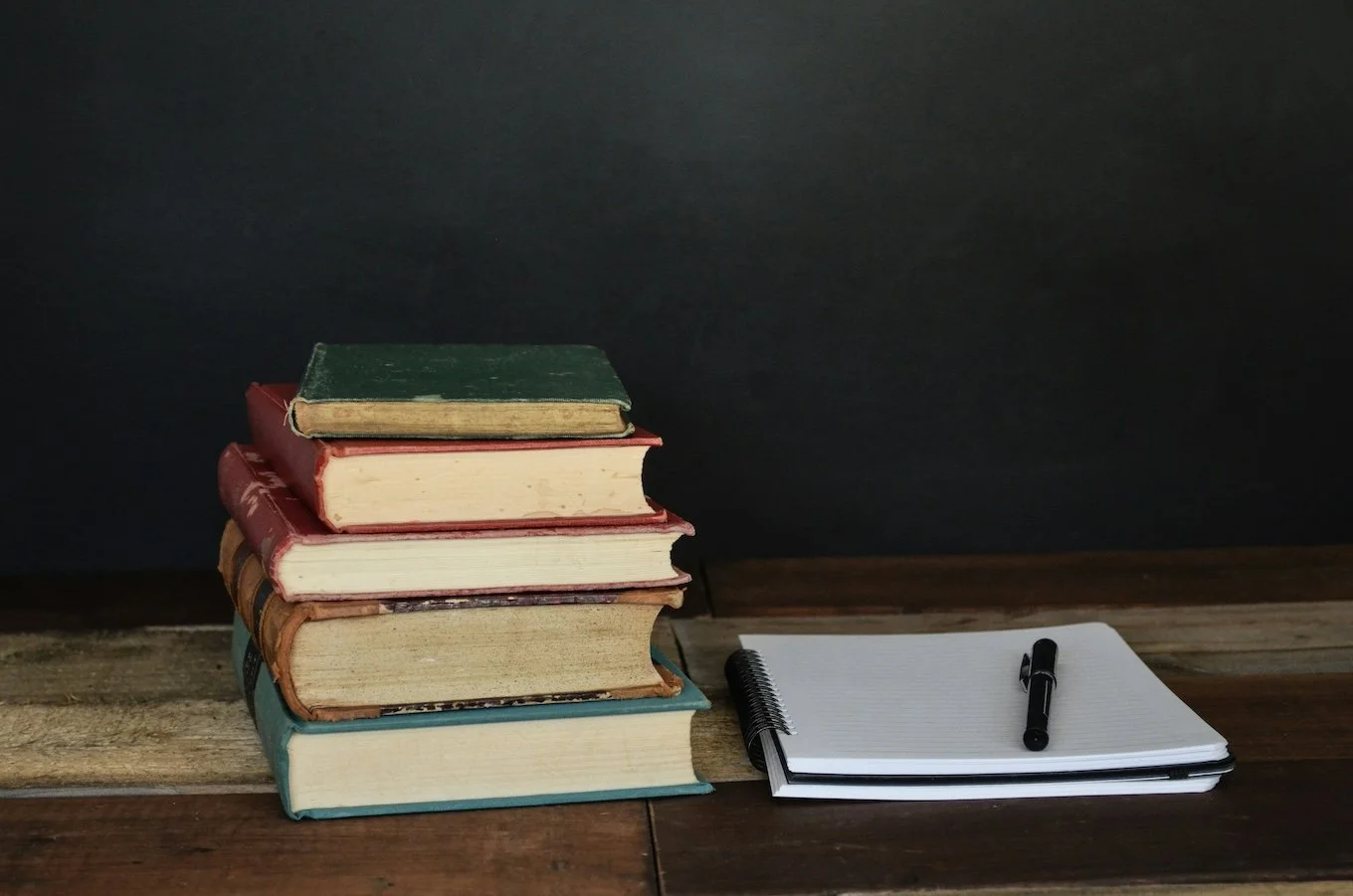
Thanks to Debby Hudson on Unsplash for the photo!