How to Cultivate Curiosity in Your Own Work | Part One
Table of Contents Show
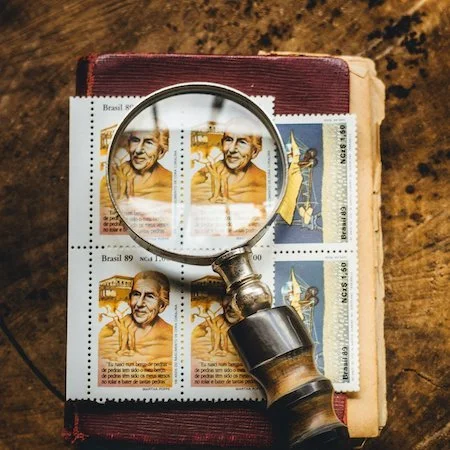
Inspiration is a big word, brimming with stunning vistas and breathtaking heights. Curiosity, on the other hand, seems smaller—a raised eyebrow, a cocked head, a tracing, inquisitive finger. Creators often chase the first, but I argue that it’s far more worth your time to cultivate the second. While you’re investigating the questions right around you, you might be surprised when inspiration comes back to find you.
Being inquisitive is great way to approach almost anything, whether it’s people, directions, ideas, even food. Today, however, we’ll be talking about a specific kind of curiosity—curiosity about your own work. Whether you’re drafting or revising, the best way to keep going is to refresh your interest in what you’re working on. As creators, it’s tempting to think everything is settled, but the best treasures—our finest creative decisions—are found past the obvious. Curiosity helps us find the will to dig deeper. Two of the best ways to be curious are asking questions and challenging assumptions.
Curiosity about life in all of its aspects, I think, is still the secret of great creative people.—Leo Burnett
Why is curiosity important?
Curiosity—curiously enough—is a trait that’s hard to come by in an age of information. Because we’re constantly receiving information in a thousand different forms, it’s easy to slip into some basic assumptions. We start believing that we’ll encounter everything we need to know through the various channels we interact with. We also start thinking we have a pretty good understanding of just about anything we come across. We become confident in our thinking, which touches everything from how things work to why people do what they do. While it’s true we may be gaining some insight from our connectedness, we need to be careful that we don’t make assumptions and miss something truly great.
This is true for our own writing as well. From here, let’s turn to talk about ways we can foster curiosity about what we’re making on the page. The more you find that’s interesting, intriguing, or fascinating, the deeper connections you make with your work and the more it resonates with readers. In addition, the small and daily joys, surprises, and links will sustain you far longer than a flash of inspiration.
Ask questions
Questions jumpstart curiosity. We are quite good at making snap judgments, quickly summing up situations and circumstances. Sometimes we do this so quickly we take our best guess as fact. Questions, however, make us slow down and reconsider. Sometimes we can discover interesting things by figuring out why we ended up with the conclusion we did. Put yourself in the shoes of the most inquisitive little person you know, and you’ll start to hear the questions you should be asking of your own writing. Asking yourself “why,” “how,” and “who” can help you explain your decisions, leading to better decisions during your revisions.
Why?
This question represents the most fundamental tool to put in your writing toolkit. It is the most useful bottomless question we have in the English language. To apply this question to your work, all you have to do is consider a particular aspect of the story and ask yourself why you wrote it that way. Don’t let yourself wiggle out of giving a good answer, either. If you’re not persuaded it’s a good reason, you might have just found a great place to dig in and find a better one. Allow yourself to ask “why” a few times to make sure you’re conducting a thorough investigation.
Why did you choose to describe that character with those words?
Why did you start the story here?
Why do you think these events have to happen in this order?
How?
This question will take you into new dimensions of your writing. It will also quickly reveal the strength of your worldbuilding or your grasp of how things work. A more thorough explanation might be needed to support a certain aspect of your writing, and you might discover something useful in your research that takes you in a totally new direction. While asking this question can be practical, it can also be tremendously fun for fiction and nonfiction both.
How does this (appliance, transportation, method, relationship, etc.) normally work?
How could it work differently?
How did people find out about it?
Who?
This often overlooked question holds just as much potential as the other questions for sparking curiosity in your own writing. In our modern world, we tend to think of automation and computers handling a lot of tasks, which means we’re not often thinking about the people who make things happen. Yet all over the world, people make and do amazing things. Put people back into your writerly equations by considering all the tasks, jobs, duties, and roles that are needed to make a setting feel like a lived-in world.
Who does this job really well?
Who made this (cake, building, ship, design, etc.)?
Who is responsible for making sure this runs/stays functional/follows tradition?
Challenge assumptions
Just like with asking questions, challenging assumptions is a great way to reconsider the writing in front of you. What conclusions have you jumped to without realizing it? Are you building on a foundation constructed from an imaginary idea of “how it should be”? Assumptions can effect everything from what things look like, what goes into a particular genre, or even what kinds of people are involved in certain stories. These assumptions often come from our own personal experience or what we’ve seen before. Our own backgrounds and even tropes can be useful, but be careful that you’re not simply defaulting to them.
How do things work?
When it comes to your own story, challenging this assumption can be invaluable. In fiction especially, this can open up a world of potential if you push past the first answer and reach for the next. Sometimes research is useful for opening up realms of information you didn’t know about before. On the other hand, sometimes throwing physics (or history) out the window is the best course of action. This means your fantasy world of swords and shields doesn’t necessarily have to look like medieval Europe with kings and castles. Maybe your sci-fi explorers have found something better than oxygen tanks to make their adventures easier.
Maybe your technology runs on other sources of energy that are unusual or incredibly rare.
Maybe some of your characters are immortal—how do they handle birthdays, anniversaries, or other annual events?
Maybe characters are assigned to certain jobs/locations/spouses instead of getting to choose.
Whose job is it?
This is another assumption that, if challenged, can yield some interesting results. We often have pretty strong mental pictures of the kinds of people who do certain jobs—but what if someone totally different or unexpected had that role instead? For an extra challenge, think about anything you come across out in the world and ask yourself, “Is this somebody’s job?” Working through that question might suggest some interesting possibilities for your story. Here are some other questions to consider:
Is someone in charge of this happening?
Did someone make this?
What would happen if nobody did it?
Keep going and stay curious
Curiosity is an underrated skill for writers, but it will serve you well no matter what you’re working on. You only get better at asking questions the more you do it, so stay inquisitive. When you’re about to assume, lean into not knowing and wonder for a while. Take time to puzzle, muse, and ponder. You might find what exactly what you need.
Looking for an editor who can help you capture your vision?
Whether you’re looking for in-depth feedback or a quick critique of a few pages, we specialize in supporting authors. Read more about how we might be able to support your writing journey on our services page.
Thanks to Gustavo Boaron on Unsplash for the photo used in this post!