
Writing Mistakes to Avoid with the Setting of a Story
Table of Contents Show
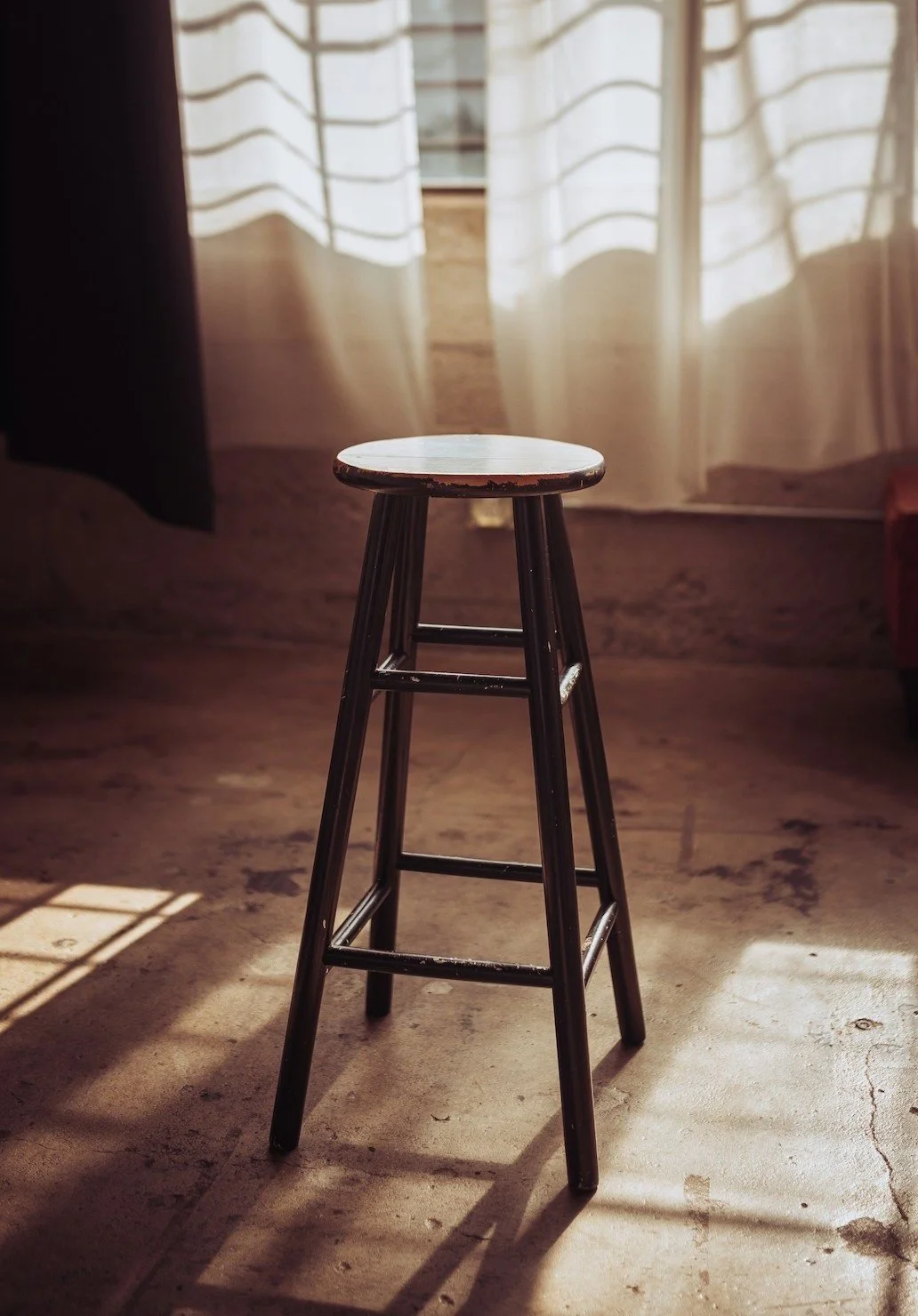
The setting of a story can take you anywhere.
In words, I can invite you into a hushed library with dust motes winking in the sunbeams, let you trace lines over dusty titles with your fingertips as you wonder about the strange curling symbols embossed on the spines. Perhaps there is a scent of ash in the air, which you trace to the fireplace tucked at the far end.
You can imagine this place, but is this a story? Not yet. This is only a setting. But a good setting is indispensable for worldbuilding writers. And before some of you check out, saying, “Oh, welp, that’s me out. I write contemporary,” hold up a moment. Even if you’re writing about the real world in the modern day, you still have to build a world inside your pages. If you don’t, readers may get jarred out of the story, think it’s too unrealistic, or find it difficult to relate to. In other words, all writers have to think about worldbuilding.
In this post, I’d like to tackle an issue related to setting that I sometimes see authors overlook in their own work: limited settings. While this issue isn’t ubiquitous like the eternal advice to “show, don’t tell,” paying attention to the spaces where your story takes place—as well as how you are using those spaces—can help you make great revisions in your manuscript, such as identifying pacing problems, eliminating repetition, and generating new ideas.
We’ll start by talking about what limited settings are and why they can be a problem.
What is a limited setting?
In a novel, a limited setting can look like many things—a cafe, an office, a street. Most commonly in the manuscripts I work with, it’s a kitchen or a bedroom. These are locations where a lot of the story takes place. Characters meet up, share information, and regroup here. If your main character is alone, these locations are often where they reflect on what’s happened in the plot and make decisions or new determinations. On their own, there’s nothing wrong with these settings. In real life, there are locations where we spend a lot of time, as well as locations where events tend to happen. Where the trouble comes in is when a location no longer supports the story but introduces repetition, cuts tension, or diminishes characters and plot to an unnecessarily small horizon.
If you’re wondering how a setting could be responsible for these kinds of problems in a manuscript, read on. We’ll tackle each one.
Repetition in the setting of a story
When used deftly, repetition is a wonderful literary device. It can emphasize story beats. It can build theme. It can create continuity. However, not all repetition is a good thing. At its worst, repetition makes readers feel as if they’ve read a scene before, tempting them to skip over it or causing them to lose interest. When it comes to settings, repetition can easily sneak in when we’re not paying attention to how often we return to a particular location. Overusing a particular location can happen when we slip too far into our comfort zone: this is a place we know, and this is a place we don’t have to describe again.
As an example, I once worked on a manuscript where the kitchen was a prominently featured location. It was a fitting place for the characters to bump into each other and make plans, but it soon became clear that, without variation, every morning in this story would involve the main character going downstairs, making coffee, and having breakfast with everyone else who lived in the house. They would talk about what each person was going to do that day, and then, after hearing everyone’s plans, the main character would finish her coffee and leave to take care of her own agenda. This was the only place in the story where all of the characters were ever in the same place, and so the kitchen scenes came to represent a unique kind of info-dump of exposition, especially getting everyone on the same page as far as what happened the previous day and what they were going to do now. The repetition of every day in the story beginning with coffee and breakfast in the kitchen made many of these scenes blur together, a prime way readers lose interest. It was also clear that nothing exciting or important would ever happen in the mornings, so some readers would probably start to skip over these pages.
However, going back to my earlier point that there are locations in life where things tend to happen, you will often find that returning to a certain setting makes a lot of sense for your story. In those instances, remember that returning to a setting doesn’t mean returning to the same actions, or even the same mood. For the story I was using as an example, the author could use that same cozy kitchen setting for an intimate chat between the main character and the love interest. It could be a disturbing backdrop for an enemy attack. It could be where a character discovers their powers for the first time. It could be where the main character really feels the loss of a friend who’s switched sides, seeing an empty seat.
Checking in—
Take a look at your manuscript. Where do your scenes take place? Do many of them happen in the same place? For scenes that happen in the same location, what is the mood or tone of the scene? Do scenes in this location generally have the same mood? Are characters often performing the same actions in these locations?
Loss of Tension
Tension is a topic we could spend quite a bit of time on all by itself, but here, we’ll be focusing on tension in relation to settings. When we have limited settings in a story, it can be difficult to maintain a sense of urgency. Returning to the same setting (and having similar actions take place in that setting) often works as a kind of soft reset for a story. Characters—and the writer—have a chance to catch their breath before the next thing happens, and that inevitably puts some slack in the tension and slows down pacing. No matter how much danger or suspense you’ve built up, it will immediately start to dissipate as soon as a character can return to a familiar place. If that character also performs very similar actions in that space (like making coffee in the morning), the mood and tension of the story will drift into a more neutral state.
If we’re not careful, this location becomes like “base” in the game of tag. Our characters may venture out from here to follow a plot thread or experience a new development in the story, but they always come back to this place afterwards. If your characters return “home” between plot points, you’ll always lose tension. You don’t want your settings to ever feel like a pond where the characters simply tread water until the next event.
Checking in—
Take a look at the flow of your plot in context of your locations. Do your characters always return to a similar location after something happens to process and reset? Are there any scenes where your characters go from a new place directly to another new place?
Diminished characters and plot
Stories with limited settings result in worlds that feel small, even if that world is a fairly direct representation of our own. For some stories, a small world is a perfect fit, but for most tales, a small world means that readers feel like they might knock over the flimsy stage dressing if they get too close. But I’d like to shift our focus here to talk more about why this is a problem for writers rather than just about the reader experience. If you’re not careful, limited settings have a way of limiting your ideas. We can start to lose sight of the possibilities in the story in front of us because we’re only thinking about the places we know well and what could happen there. We can stop being curious about what might be up there in that attic (or if there’s an attic at all). We might not think about what our character would do in different surroundings and miss out on a great twist in the story or a chance to reveal something deeper about them.
Unlike those who work in film or on the stage, writers don’t have to worry at all about budget. We don’t have to be concerned with how much money it would take to build a set or film on location. We can use any setting we can imagine, filled with precisely the details we envision, painted with exactly the right colors, and draped with the perfect mood—but this takes intentionality. When we don’t pay attention to our settings, we put unnecessary boundaries on the horizon for our characters and plot. Another way to think of this is to imagine a plant that’s confined to a too-small pot. The roots circle around and around the edge of the pot, still growing but ultimately stunting the plant. A limited setting can make your story “rootbound.”
Checking in—
What are the most important locations in your story? Why are they significant? Are there scenes or conversation that could take place elsewhere? Are there any locations in your story that would be new for a reader to explore? If they’re common locations, do they have details that ground them as their own unique setting? Is your character always in familiar territory?
Wrapping up
Now that we’ve reviewed the most common problems related to limited settings, I hope you’ll spend some time thinking about your story and how you can address setting to improve your pacing and keep tension and interest. Most importantly, I hope you’ll feel inspired to open a few new doors in the house you’ve been imagining and explore further. Who knows what you’ll find?

Want to talk shop about your story?
We’d love to hear about what you’re working on. We offer a wide variety of editorial services to help you take off, whether that’s finishing the next draft or publishing your work.
