
How to Write a Story Studio Ghibli Style
Table of Contents Show
Whether you’re a dedicated fan of the beautifully styled animated works of Studio Ghibli or a newcomer, welcome to the blog.
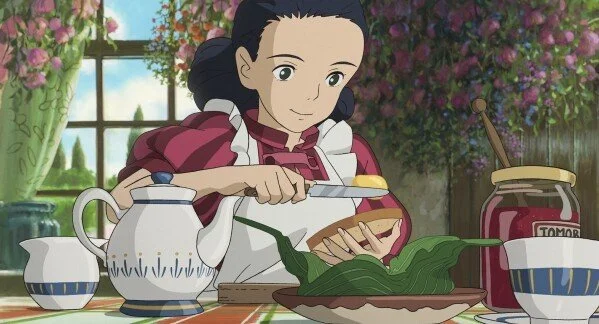
We wish we could offer you a place by a window where sunlight streams in, a breeze from the ocean gently teasing the curtains and blowing away curling steam over a freshly poured mug of tea that’s just been set down in front of you. We also wish we could offer you some golden-crusted pastries, served, or course, with thick pats of creamy butter. But for now, you’ll just have to picture it in your mind.
After all, that’s what we’ll be talking about today—how to write in a Ghilbi style. Welcome to our attempt to translate a style that has both striking visual and aural elements into words.
I’ve been seeing posts from agents looking for manuscripts that give them “Ghibli vibes,” and others who say something to the effect of “If your book can make me feel like a Miyazaki film, I want to read it!” (referring to Hayao Miyazaki, a co-founder of Studio Ghibli and world-renowned director and animator). Whenever I see this, I can’t help but feel that writers are at a bit of a disadvantage. After all, we can’t send a sweeping soundtrack along with our manuscript, or include lusciously detailed paintings. We are dealing with two very different mediums of storytelling.
But not to worry—writers can learn a lot from Ghibli stories and draw inspiration from them to inspire their own work. So if you’re looking to recreate the some of the feeling and aesthetic of a Ghibli film in your story, read on.
Before I get too far ahead of myself, I should clarify that the elements I’m sharing here are elements that all of the films have in common. I often see “Ghibli-esque” used as shorthand for a cozy, warm aesthetic, which does suit some of the movies, but when people say that, they’re surely not thinking of Princess Mononoke with her blood-smeared face or the more recent murderous parakeets in The Boy and the Heron. By focusing on what all of these films have in common, I hope you can see that this style goes deeper than an aesthetic and can be applied to almost any genre of story.
Start Here: Three Elements of Style for a Ghibli-esque Story
1. Make the mundane magical
Many Ghibli stories feature places that, in themselves, are not magical—city streets, a dusty attic, a terrifically messy bedroom, a forgotten backroad. These familiar locations are presented to us as remarkable, interesting. I’ve even experienced the power of how these stories have taught me to “redraw” places in real life. Spirited Away, the first Ghibli movie I ever saw, features a bathhouse. Years later, when I was working at a guest house in Japan, I found myself, sleeves and pant legs rolled up, scrubbing an enormous ofuro (bath) and feeling it quite the adventure (though that’s a story for another time).
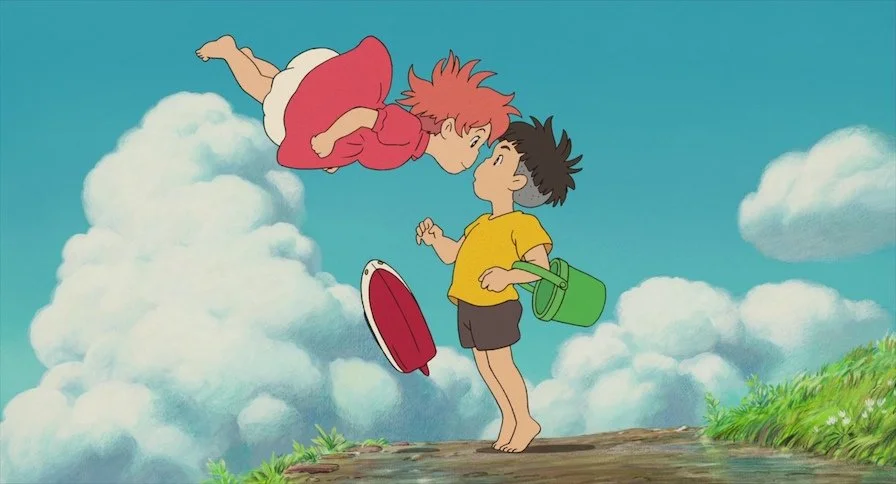
But how do you get someone to see something they’ve seen innumerable times with fresh eyes? One way is through the intentional placement of detail. Say you imagine a lamppost on a street. It is simple enough to write it and leave it at that. But this would hardly merit a passing glance from your reader. When you’re drawing a scene by hand, however, you’re much more aware of the choices you’re making to create that lamppost. How tall? How bright? What is it made of? Is it carved with details or industrial-looking? Is it old or newly placed?
Naturally, I don’t want writers to take this advice and run away with it before I can grab their sleeve. Too much description is a treacherous sandbar that many of us have run aground on time and time again. The key is the intentional placement of detail, not simply including specifics. While you can see the fully detailed scene in your mind, your reader only needs a few choice details to make them feel immersed. Choose details that surprise—for example, the lamppost in Spirited Away hops on its base to lead the characters to their destination (a base that looks like a white-gloved hand, by the way). Choose details that delight—like the sign to advertise Kiki’s new business that Osono and her husband lovingly craft out of bread in Kiki’s Delivery Service. A mark of Ghibli style is a romanticization of everyday life—food, places, clothes, objects we see every day. Train yourself to see your ordinary surroundings again—really look at them—and you’ll find no shortage of magic.
2. Make the magical mundane
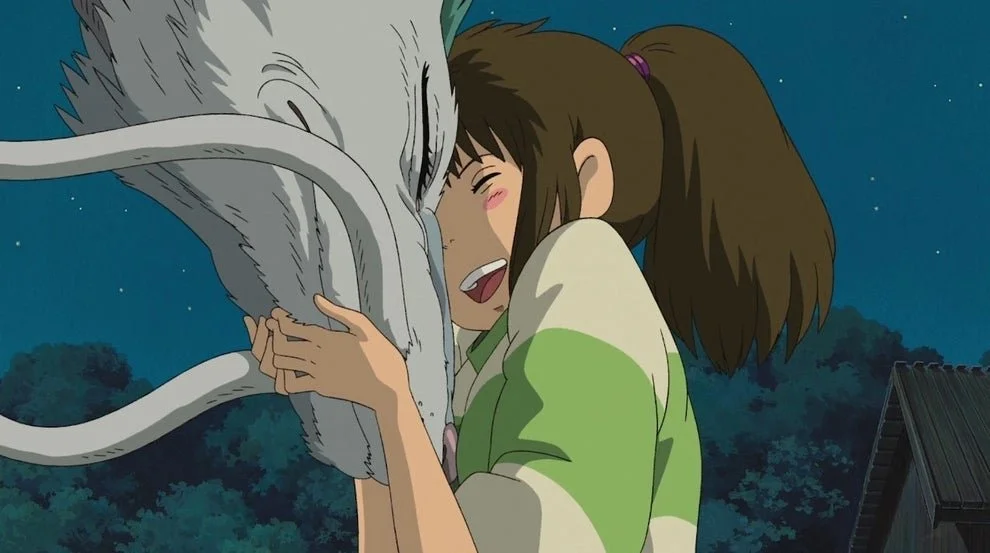
Now that you’ve enchanted the everyday objects, it’s time for the reversal. Another mark of Ghibli style is to make what is magical mundane. In Howl’s Moving Castle, Sophie is cursed by a witch, giving her the appearance of an old woman. While she is unhappy about this development, she takes it rather in stride, all things considered. In Kiki’s Delivery Service, Tombo is amazed that Kiki can fly on a broom, but his wonder is the same level of admiration you might feel when learning someone can speak multiple languages. The Secret World of Arrietty is probably the best example of making the magical mundane. Sho doesn’t spend too much time trying to figure out how it’s possible that a tiny family is living under the floorboards of the house; he and Arrietty just become fast friends. And My Neighbor Totoro introduces this reversal from the get-go in the title itself; the enormous furry creature they meet in the forest is simply a neighbor.
The combination of making the mundane magical and the magical mundane allows for a wonderful blending of possibilities and a grounding sense of realness, even if the reality you’ve created is really nothing like ours.
3. Tell a small story in a big world
One element that all Ghibli films convey is the sense that the story you are following is just one in a much larger world. You can feel the expansiveness of the characters’ surroundings, the feeling that the world goes on without them, that there will be secrets out of their reach, that there are places they cannot explore. This invites a sensation of wanderlust in some of the stories, a sensation of danger in others. Resist the urge to explain everything you know about the place you’ve created as the author to the reader—or even to let your character understand everything about their own world. If we’re honest, there is much we don’t know about our surroundings, and we are happily ignorant and surprised by them at turns. Leave space for wonder and mystery.
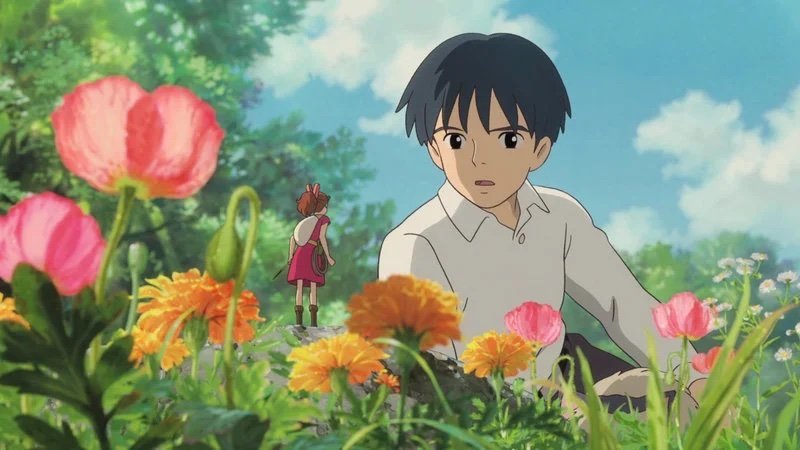
If you are writing kid lit (and many of the Ghibli films fall into this audience category), this sense of scale is especially important. To kids, the world is a strange and vast place, and they’re aware of how small they are. It shouldn’t feel as if this place didn’t exist or that everyone was holding their breath until your protagonist arrived.
Keep in mind, too, that “small” stories can have just as much impact. Too often writers leap at the highest stakes available—the world! The whole universe!—to make the story feel like it matters. But Ghibli stories exemplify that small stories inside of large worlds are enthralling and worthwhile. The world doesn’t have to be at stake for a reader to care. The protagonist doesn’t have to be at risk of losing it all to make it feel real. Making a friend, finding your way home, mourning a loss, growing up—all of these are high stakes if they’re written well.
Now, your turn
There are certainly more that could qualify for the list, but these three elements for writing a Ghibli-esque style are just to get you started. Remember, while writing doesn’t have the same visual impact as a film, writers have just as much creative freedom to craft a unique style and to create worlds readers will fall in love with. You can do it!
Want to talk shop about your story?
We’d love to hear about what you’re working on. We offer a wide variety of editorial services to help you take off, whether that’s finishing the next draft or publishing your work.
