Aesthetics in Writing vs. World-Building
Table of Contents Show
What’s the difference between aesthetic and world-building?
To answer this, we’ll first talk about cinematic writing.
If you find yourself reaching for lots of description, either in action or detail, you may be a cinematic writer. “Cinematic” describes authors who can picture their stories as vividly as watching a movie, and they work hard to make sure readers see exactly what they do. Cinematic writers tend to include a lot of visuals, and while description goes a long way in sparking your reader’s imagination, there’s a line between sharing what something looks like (or the aesthetic) and world-building. Aesthetic gestures at meaning while world-building supports it, and the difference between them comes down to intent.
What Is Aesthetic Anyway?
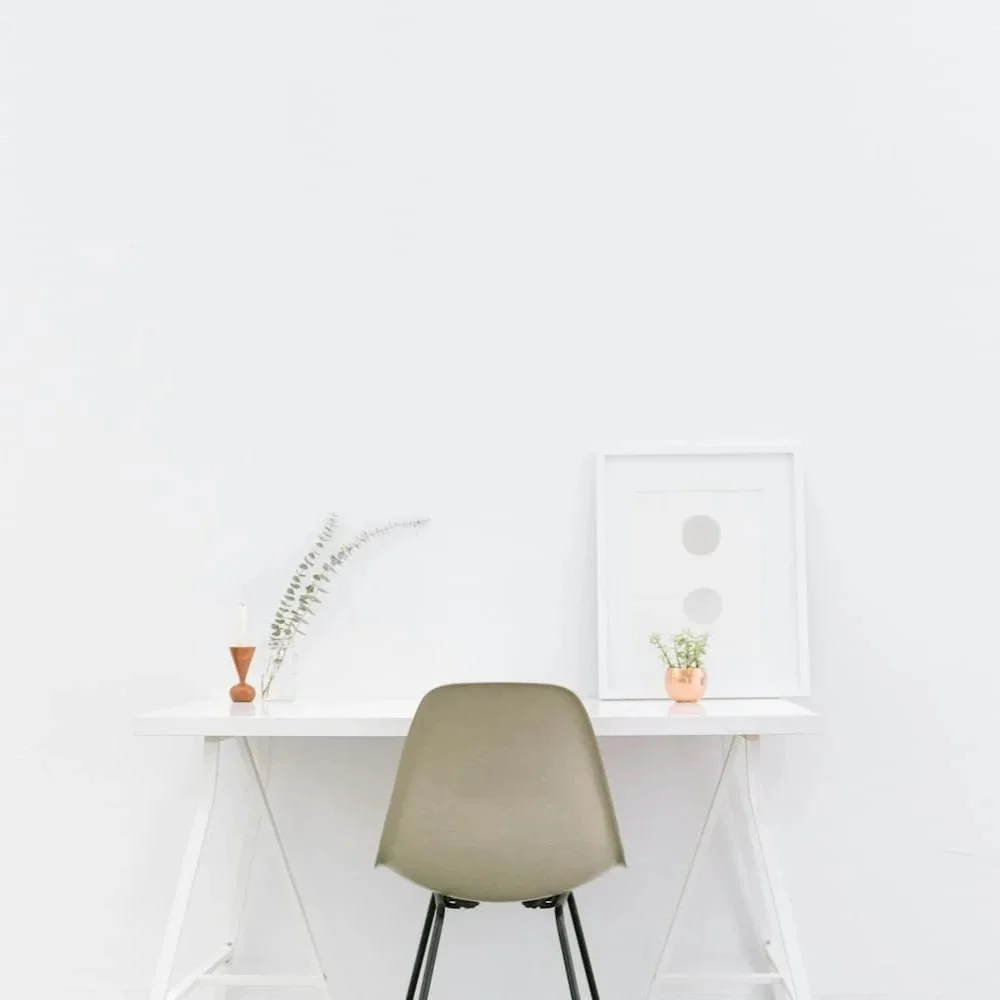
“Aesthetic” is one of those words that’s morphed over time. Originally, it was used to describe a specific theory of beauty. “Aesthetic” literally meant “beautiful” (as in “aesthetically pleasing”). Over time, though, this word has come to describe more than just beauty. Online, it’s often used as a noun (i.e., “an aesthetic”) and can be applied to particular arrangements of color, texture, and detail that convey certain feelings or moods. Some of these aesthetics have names and become shorthand for the imagery as well as implied values or traits:
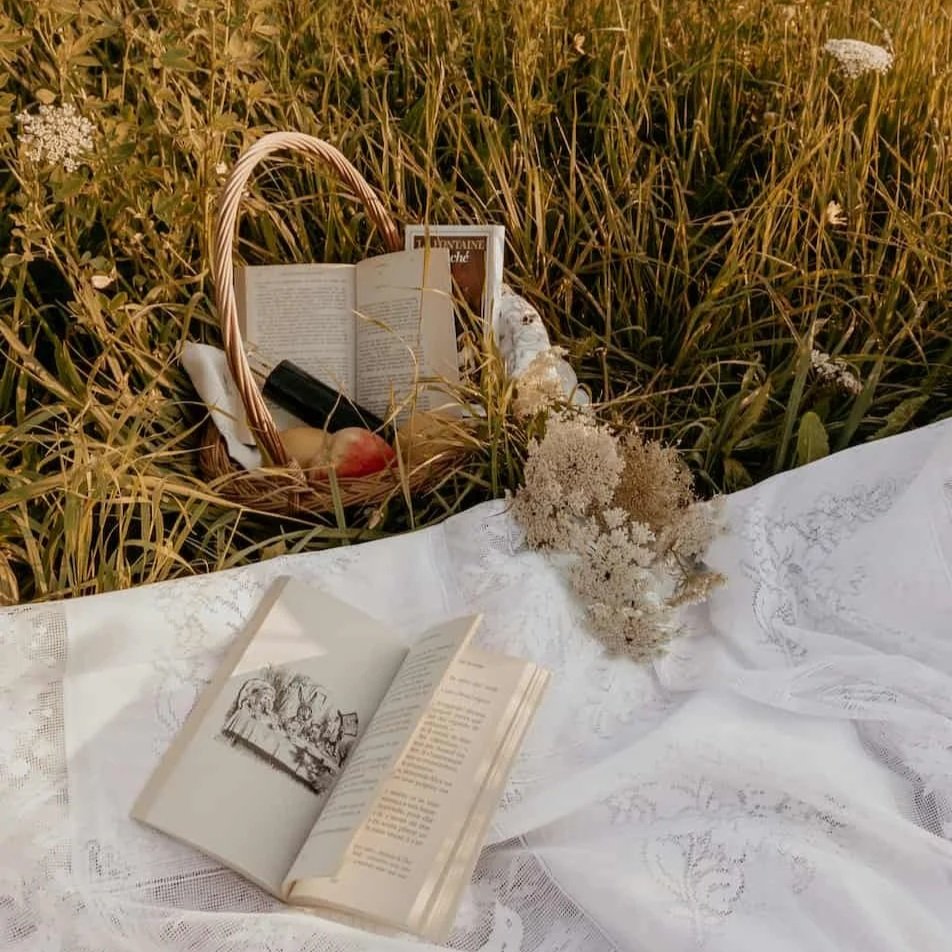

Cottagecore: cozy, connected to nature, slow living
Dark academia: secrets, intelligence, arcane knowledge
Minimalist: calm, straightforward, modern
Almost anything can become an aesthetic by drawing on the imagery attached to a particular word, such as “K-pop aesthetic” or “vampire aesthetic” (search any word + “aesthetic” and you’ll see what I mean). Simply combining “aesthetic” with another word can express a massive amount of detail to another person, which is probably why this usage has taken off so quickly. However, relying on aesthetic alone is not helpful for writers.
Aesthetic Alone = Too much description and no grounding
Aesthetics are the primary foundation for mood boards, character art, and other visual supports for writing. Visually, an aesthetic gives us a lot of information about how the book might feel, the kinds of scenes or characters we might encounter, as well as the topics it might take on and how it will handle them. However, books rely on words to convey all this information, and most of the time, a reader only has the cover to work with.
Trying to recreate a mood board in your book can easily lead to way too much description. If you’re working hard to show your reader how everything looks just to ensure they’re seeing what you are, it’s easy to overwhelm them with too much information. When this happens, the aesthetic falls flat. Readers can be drawn in by an intriguing mashup of imagery, but if that appearance isn’t grounded in something, it’s reduced to a façade with nothing to support it. Aesthetic, being visual, can’t be assumed in text. You’ll have to show these details overtly, and this can lead to long paragraphs of minute detail that readers will gloss over or simply put down.
How to Move Beyond Aesthetic into World-Building
Aesthetic, or the appearance of your book, can be a great place to start your world-building. World-building is compelling when it’s as grounded and realistic as possible (at least as far as being consistent with itself—fantasy and sci-fi have their own definitions of realistic, after all). If it’s helpful for you to collect images to stock your imagination with fresh settings, wardrobes, and faces, by all means, do so! But don’t concentrate your efforts on trying to recreate those images on the page. Let what you write evoke those images and beyond.
Remember above where we mentioned intent? Intent is the main difference between aesthetic and world-building. In world-building, the details create a world with its own logic and rules. They are evidence of a place where actual people live and work. The details are not simply there for decoration, which is one of the biggest pitfalls of relying on aesthetic.
Example from a work in progress
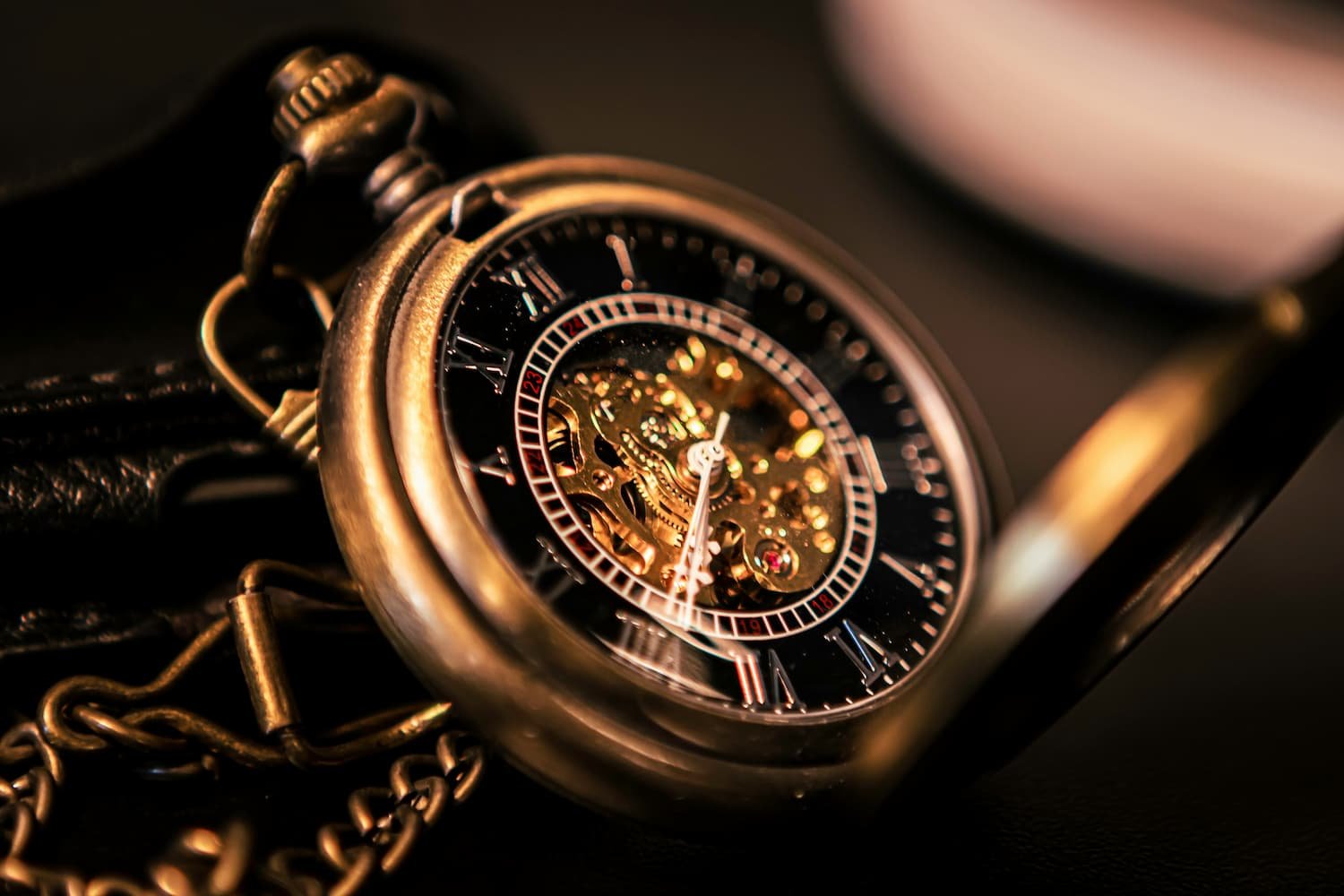
I knew my first official novel (not to be confused with the other novels I wrote previously) was going to be a steampunk book. Right off the bat, though, I was adamant that the story be more than aesthetically steampunk—gears, goggles, and top hats stuck on everything and everyone—and it was going to engage the philosophy that created this subgenre in the first place. If you’re not as familiar with steampunk, “steam” refers to the foundational technology of the subgenre while “punk” refers to a critique and exploration of Victorian society. I fell in love with the idea of using clockwork technology to talk about the interior becoming exterior, both in my main character’s arc as she sheds expectations to chase a dream and in the story’s plot as a whole as secrets are brought to light. My steampunk world also revolves around the tea industry, another nod to its roots in steam.
To make sure my story moved beyond aesthetics, I knew all the decisions I made about how this world would look had to be grounded. For example, only people who needed goggles on a daily basis would wear them. The technology incorporated into my book would have more apparent gears and workings because of how it was built and how accessible it needed to be for maintenance.
This is just one example of how to make sure you’re moving beyond aesthetic. Each detail should have a meaningful connection to the world you’re building, something that tells the reader more about what kind of person you’re describing, what kind of world you’re building, and so on. In other words, details need a reason for being there, which goes back to intent.
Aesthetic or World-Building or Not Sure?
There’s a lot more to be said about aesthetics and world-building than we can fit here, but you can begin to see how intent changes the details you include in your story. If you’re not sure how to make all the parts of your story support the vision you have for it, get in touch with us to talk through it! We love talking shop.
Photos thanks to Camille Brodard, Thomas Kelley, Bench Accounting, and Lucas Santos on Unsplash!