
Flourishing: Sustainable Practices for the Writing Life
Table of Contents Show
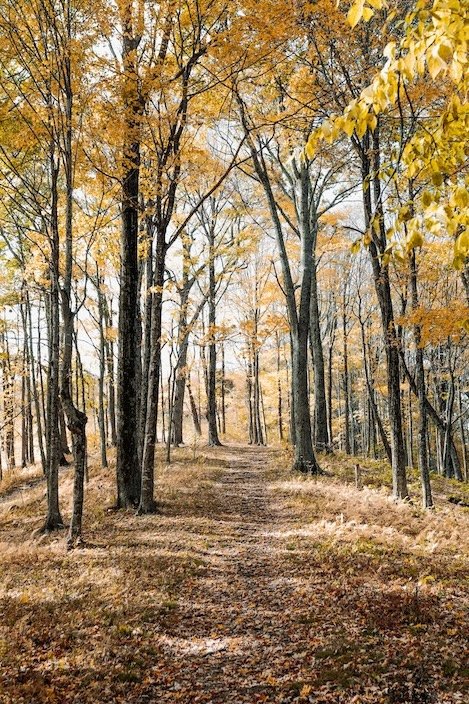
In our blog, we’ve covered several topics related to the writing life, including writing exercises to get you started if you’re feeling stuck, how to read like a writer, writing philosophy, and more. Our discussions would be sadly lacking, however, if we didn’t also talk about some of the foundational practices that lead to a flourishing writing life.
Many of these practices are not unique to writers—nor only beneficial to writers—but they are becoming increasingly rare in modern life, which races on as fast as fiber optic and prizes the hustle and the grind. We’re not made to be constantly creating, though the pressure to do so is as constant as the wind in Wyoming. The words “writing” and “flourishing” don’t often appear together, but with a little intentionality, it’s possible to fold these practices into your daily rhythms to support a sustainable, thriving writing life.
Filling the well
In this post, I use the word “practice,” but “habit” or “routine” could work just as well. What we’re talking about here are continuous actions that form a wellspring that our creative work flows from. In her book, The Artist’s Way, Julia Cameron talks about a similar concept that she calls filling the well. To give a simplified explanation, whenever we create something, we draw from this well. If we’re not refilling it, there will come a time when we pull up an empty bucket.
Learning to fill your well is essential for any writer! While there are plenty of stories applauding caffeine-fueled writing sprints, hazy late nights slaving over a draft, and burnout, your story mechanics here propose a different way—a writing life that has plenty of room for fun, play, joy, and even rest.
Practices for a thriving writing life
1. Contemplation
Giving yourself time to think is one of the best practices you can add to your writing process. Fighting distraction (which comes in myriad forms from the never-ending to-do list to the abyss of the internet) can be a real struggle, but learning to sit with your thoughts is a tremendously valuable skill. Contemplation can be focused, such as writing down your thoughts in a journal, or you can allow your thoughts to roam over a subject. Meditation or prayer may also be a part of your practice.
The purpose of this practice is to slow down, to filter out the distractions and noise. In that space, you can ask yourself important questions that you may not usually have the time to consider, remind yourself of your purpose, or work out a problem. You can also use this space to explore a perspective in a more open-handed way or meander down trails of thought you hadn’t noticed before.
2. Walking
If you have the opportunity and ability, walking has been a long-established practice of the writing life. The poet William Wordsworth walked an estimated 175,000 miles in his lifetime, and Charles Dickens often walked about twenty miles a day. Walking has a particular effect of helping to clear your head or getting your thoughts flowing. While you may have even experienced this for yourself, it’s a finding that’s also backed up by research. A study from Stanford University showed that walking boosted creativity. Not surprising, walking outside had the best results out of all of their tests, so if you can, a stroll outside comes very highly recommended.
3. Rest
It may sound counterintuitive, but sometimes the best thing you can do for your writing life is to rest. If we’re not careful, rest becomes a luxury we reserve for vacations or special occasions, something that we have to earn or that we’re forced into after we’ve worked ourselves to the bone. However, writers flourish with rhythms that include regular rest, and that includes not only time when we’re not working but also a good night’s sleep. On a broader scale, rest can include seasons when you’re not actively working on a story, too.
4. Refreshing your imagination
This practice comes the closest to Julia Cameron’s idea of filling the well. New experiences are a great way to replenish your creativity. This includes things like visiting a museum or a farmers market, taking a class or trying a new hobby, going for a walk, browsing through a bookstore or library, or watching favorite movies. There are smaller ways to do this, too, such as taking a new route to a place you go all the time, trying a new recipe (or a spice you’ve never tasted), planting a seed, listening to music, or people watching.
Try it for yourself
As you may have noticed, these practices don’t have much to do with producing writing or getting through your next draft. Instead, these are practices for cultivating a sustainable and flourishing writing life, where you can continue to create. If you try to incorporate some of these into your daily routine, we’d love to hear how it goes!
Thanks to Andrew Neel at Unsplash for the photo!

Looking for someone to walk beside you on your writing journey?
We’re here for you! Whether you’re just getting started or an experienced writer, we make it our mission to support you. Read more on our services page.
