

THE BLOG

Poetic Devices: The Importance of Rhythm in Writing
Rhyme is just one of many poetic devices! Like the spices in your cabinet, if you know their names and what they taste like, you’re far more likely to use them and enjoy what they add to a dish—or in this case, how poetic devices can strengthen your writer’s voice and your story.

Common Writing Mistakes: Being Overly Descriptive
Learn an easy self-editing technique that helps you spot clunky description and fix it by zeroing in on two common culprits: too many adjectives and physical description.
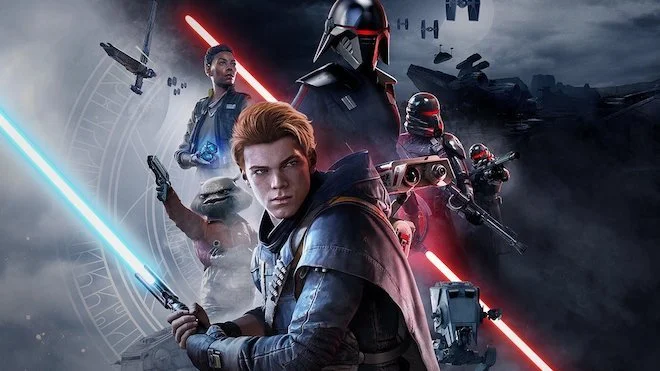
Revising Star Wars Jedi: Fallen Order | Developing Theme
Taking another look at Jedi: Fallen Order from a book editor’s perspective. How can a focus on characters, plot, and theme take this story to the next level?

Conquering Page Fright: Tips on How to Start Writing a Book
If you want to start writing but don’t know where or how to begin, here is a list of ideas you can use to get started right here and now.
Whether you've written one hundred stories or one haiku, this list will give you tools designed to help you push past opening line jitters and page fright. Each book needs to be written its own way, which means you might need to try something new to start your new manuscript.

What Makes a Good Beta Reader, and Why Do You Need One?
“Beta reader” is a term that often comes up for writers. But what is a beta reader and what can they do for you? Here, we talk about how to find a good reader, some questions you can ask to determine a good fit, and suggest a few things to consider when you’re thinking about inviting beta readers into your process.

What Are the Differences in Types of Editing?
You’ve probably encountered a dozen different terms for types of edits in your search for an editor. Here, we walk through the main categories of edits and provide questions to help you accurately determine what kind of support your book needs.