7 Habits | #2: Begin with the End in Mind
Table of Contents Show
In this post, we’re continuing our series on the 7 Habits of Highly Effective Writers with Habit 2: Begin with the end in mind. If you’ve come across Stephen Covey’s 7 Habits of Highly Effective People, you’ll be familiar with the habits themselves, but we’re also including a little context for anyone who hasn’t picked that book up yet. It’s our intent to show how these big ideas can be used by authors at any stage of their writing journeys. The 7 Habits of Highly Effective Writers are practical ways to build habits that will help you create today, tomorrow, and for a long time after that.
Because the habits build on and support each other, we highly recommend reading Habit 1 if you haven’t already.

What is an effective writer?
Here’s our working definition: An effective writer is one who knows why they do what they do and understands how their process will get them there. If you intend to write for years to come, either as a career or for fun, creative longevity is key to ensuring you have the stamina to not only keep writing but to finish your stories well. Willpower can only take you so far. Habits, on the other hand, will sustain you for the long haul, and the 7 Habits of Highly Effective Writers is a great place to begin.
“First, forget inspiration. Habit is more dependable. Habit will sustain you whether you're inspired or not. Habit will help you finish and polish your stories. Inspiration won't. Habit is persistence in practice.”
—Octavia E. Butler
An effective writer is proactive
Habit 1 is be proactive. Everything stems from that first decision to act and, even more than that, to carry your own weather when the storms come. It is the foundation of the other two private habits. But after you’ve decided to act, how do you know what to do? This is where Habit 2 comes in—begin with the end in mind.
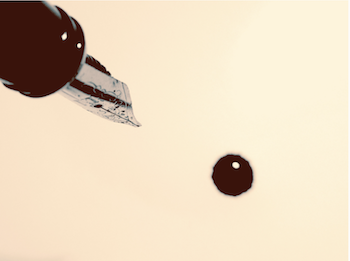
Begin with the End in Mind
As Stephen Covey writes, all things are created twice. There’s a mental creation and then physical creation, a blueprint and then construction. The most effective builders, travel guides, pilots, and writers understand that a plan is the best way to make sure you get to where you want to go. Habit 2 is one of my favorite habits because it works on two levels, making it extremely versatile for writers.
Beginning with the end in mind is more than an outline
Now, you plotters out there were probably already pumping a fist when you read the title of this post while the rest of us pantsers and plantsers* were resigning ourselves to do better. You can take this advice literally, but I feel the spirit of Habit 2 is more expansive than to outline or not to outline. As we’ll talk about below, this habit encourages big-picture thinking that works for writers of all kinds.
Think about yourself as a writer
For the first level of this habit, think about yourself as a writer. Ask yourself the following questions:
What’s your goal?
What kind of person do you want to be?
What do you want your writing to do in the world?
The answers to these questions reflect your values. These are your why—why you do what you do. These values are the bedrock of your character, the foundation that helps you stand strong when things get tough. Like a lighthouse in a storm, values are what you should look to for guidance rather than your feelings.
How to apply Habit 2 as an author
It’s easy to get wrapped up in the busyness of writing—there’s a million webinars, a billion books to read, and all of them are trying to tell you what you need to do. However, when you know what your destination is, you’ll have a much easier time sorting through your options to get there. When you commit to act (Habit 1), Habit 2 gives you the confidence that you’re doing exactly what you should do. It’s natural that your answers may shift over time; however, if you’re honest about your values, it’s more likely the how will be changing rather than the why.
Take time to explore the questions above. Put your thoughts down on paper, whether it’s in longform or bullet points. After that, have a good talk with a trusted friend or family member to explain why you do what you do and what’s important to you in your work. If you find a good listener, you might have also found a solid accountability partner who can hold you to what you want to do with your words.
Think about your story
The second level of beginning with the end in mind is using this habit as a writing tool. However, as I mentioned above, this doesn’t necessarily entail writing an outline. It doesn’t even necessarily mean that you know exactly what the climax of your manuscript is going to be. It does mean you should have a clear understanding of what your story is—the dreaded what is your book about? More than plot or characters, your answer should describe the heart of the story.
Following that, you should know what it’s going to say about that topic. Is it going to be funny? Thoughtful? What will people walk away with after they finish reading it? Once you know this, you can make good decisions about how to achieve it. How you get there is up to you, so, if you have them, don’t throw away those charts and character sheets quite yet.
How to apply Habit 2 to your story
As with life, it’s easy to get caught up. In writing, we can get busy with checklists, outlines, character maps, and grammar rules. But it’s possible to be busy without being effective. Keeping the end in mind, though, will keep you from getting mired in busywork and ensure you’re always concentrating on the essential. Rather than high-centering on hyphens and commas, you’ll stay centered on developing your themes and characters.
Applying this habit can take a lot of different forms. You might work on a pitch that captures the heart of your story. You can use that pitch to revise, analyzing scenes and arcs to see how they support that big idea, if they do at all. If you’ve set out to write a romance, are there plenty of romantic elements present? If you have something you want the reader to walk away with, have you built towards that throughout the manuscript?
Habit 2 gets you started in the right direction
Beginning with the end in the mind puts you on the right track for any manuscript in front of you. It also means actually writing the story. After all, if you’re going to write a book, a finished manuscript is the end goal, isn’t it? This leads us on to Habit 3: Put First Things First, which we’ll tackle in the next post.
Editors and beginning with the end in mind
An editor can play an invaluable role in helping you achieve your goals as a writer. Editors are industry professionals, and a big part of our job here at Ground Crew is keeping up with what’s going on out there in the world of publishing—and that includes trends, genre and audience expectations, bestsellers, and more. When you work with us, you get support that not only aligns with the vision you have for your story but also helps you get there faster and more confidently.
*plantsers = a term we’re trying to create for authors like us who are a bit of a plotter and pantser both
Thanks to Nicolas Thomas on Unsplash for the photo in this post!